A print can be perfect for the collection and still be the wrong purchase if its license does not match the production plan. The mistake usually appears late: after a supplier has received files, after quantities have increased, or after a second product category has been added to the launch.
Commercial and Extended licenses both allow business use within defined terms, but they are not interchangeable labels for “small” and “large.” The decision turns on what is being made, how widely it will circulate, who will handle the artwork and how much commercial value the pattern contributes to the finished product.
The explanation below is practical editorial guidance, not a substitute for the license PDF supplied with the artwork.
What a Pattern License Actually Provides
A pattern license grants limited usage rights. The original artwork and copyright remain with the designer unless a separate written agreement transfers ownership.
Licensing allows a studio to offer professional artwork to multiple buyers while defining:
- whether products may be sold;
- which product categories are permitted;
- production or distribution limits;
- whether the artwork can be modified;
- whether source files can be shared;
- which uses require additional permission.
Art Pattern Studio products offer Personal, Commercial and Extended options. Buyers should review the current Pattern Licensing Guide and the PDF supplied with their order.
Personal Use Is Not Commercial Use
A Personal License is intended for non-commercial projects. It should not be selected for products, advertising or collections that generate revenue.
A project is generally commercial when it:
- creates products for sale;
- promotes a business;
- supports paid client work;
- appears in monetized content;
- contributes to packaging or branding;
- is distributed by a company or organization.
If a pattern will support business activity, begin the decision with Commercial or Extended rights.
What Is a Commercial Pattern License?
A Commercial License is designed for eligible business use within the scope and limits stated in the agreement. It often fits independent designers, small businesses and brands producing a defined quantity of finished products.
Common applications may include:
- apparel and accessories;
- fabric products;
- stationery and giftware;
- packaging;
- home decor;
- wallpaper or interior products;
- marketing materials connected to the licensed product.
The phrase that deserves attention is “within the stated limits.” Commercial use is not automatically unlimited use. Quantity, product type and distribution still define the permission.
What Is an Extended Pattern License?
An Extended License is intended for broader commercial use. It may be appropriate when production, distribution or business scale exceeds the Commercial License scope.
Situations that may require Extended rights include:
- larger manufacturing quantities;
- several coordinated product categories;
- broader retail distribution;
- ongoing production rather than a limited launch;
- use across a larger organization;
- products in which the pattern provides a major part of the commercial value.
Extended does not mean copyright transfer or exclusivity. Those rights require a separate written agreement.
Commercial vs Extended: The Core Decision
| Question | Commercial | Extended |
|---|---|---|
| Products for sale | Within stated scope | Broader production scope |
| Production volume | Defined commercial limits | Higher-volume use |
| Multiple product lines | May be limited | Better suited to broader ranges |
| Exclusive rights | No | No |
| Copyright ownership | Remains with artist | Remains with artist |
| Source file redistribution | Not permitted | Not permitted |
The exact terms supplied with the artwork should always be checked.
Five Questions That Clarify the License
1. How many units will be produced?
Estimate the full quantity, not only the first order. Include replenishment, wholesale production and planned future runs.
2. How many products will use the artwork?
A single scarf is different from a collection covering dresses, bags, packaging and home accessories.
3. Where will the products be sold?
Consider direct e-commerce, wholesale, marketplaces, international distributors and physical retail.
4. Who will receive the source files?
Printers and manufacturers may need production access, but they must not receive independent rights to reuse or redistribute the artwork.
5. Is exclusivity required?
Standard Commercial and Extended licenses are non-exclusive. Contact the studio before purchase if a project requires market, territory or product exclusivity.
Licensing Examples Using Real Pattern Categories
Independent apparel capsule
A small fashion label wants to use the Terracotta Leopard Seamless Pattern on a limited capsule of skirts and scarves. A Commercial License may fit if the production quantity and products remain within its terms.
Multi-category accessories program
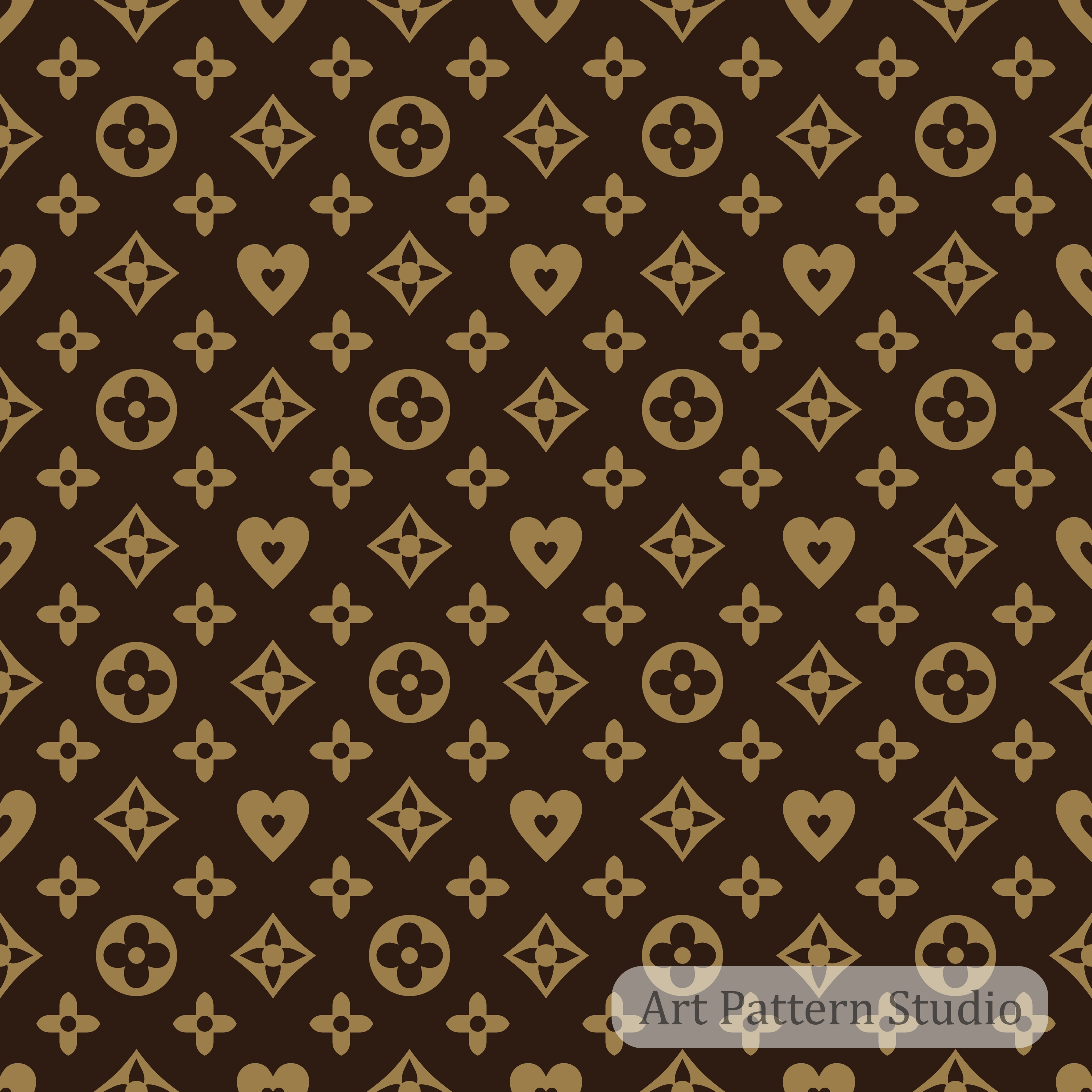
A brand plans to use a Luxury Monogram pattern across handbags, scarves, boxes and promotional material with wider distribution. Extended rights may be more appropriate.
Wallpaper manufacturer
A company wants to manufacture a Blue Azulejo Ceramic Tile Seamless Pattern across repeated production runs. The manufacturer should discuss volume, territories and ongoing use before selecting the license.
Client design work
A freelance designer creates packaging for a client using the Green Minimalist Floral Pattern. The parties need to clarify who purchases the license and whether the client needs continuing production rights.
Uses That Usually Need Special Attention
Print-on-demand
Print-on-demand platforms differ in how files are stored, accessed and distributed. Confirm permission before uploading source artwork.
Templates and editable products
Customers must not receive the original pattern as an extractable or editable asset. Template use can require additional restrictions.
Logos and trademarks
Standard pattern licensing generally does not allow the artwork to become an exclusive trademark or brand identifier.
Broadcast, apps and digital experiences
High-visibility media, software and interactive use may fall outside standard product licensing. Discuss the project first.
Exclusive manufacturing
If competitors must be prevented from licensing the same design, request a custom exclusive agreement.
How to Document a Licensed Pattern
Treat the license as part of the production file, not as an email attachment that disappears after purchase. Keep:
- purchase receipt;
- invoice;
- product URL and artwork name;
- selected license;
- supplied PDF agreement;
- production quantities;
- list of approved suppliers;
- written permissions for any unusual use.
This record becomes valuable when production expands or staff changes.
Licensing Is Part of Collection Planning
Clear rights make creative decisions easier. A team can cost the artwork properly, choose whether to test a limited run, and understand what happens when the product expands into another category or territory.
A buyer who understands production rights can decide whether to:
- launch a limited test;
- purchase broader rights immediately;
- request exclusivity;
- commission a custom collection;
- divide artwork across territories or product categories.
This prevents urgent licensing questions after manufacturing has started.
Resolve the Rights Before Files Reach a Supplier
Explore Art Pattern Studio collections and compare the license options on the individual product page. The full Licensing Guide explains the current framework.
High-volume production, client work, print-on-demand, exclusivity and unusual distribution are better discussed before purchase. Send the intended products, quantities and territories through the contact page.
Choose the Artwork, Then Match the Rights
Explore curated pattern families before comparing Personal, Commercial and Extended options for your intended products and production volume.
FAQ
Does a Commercial License transfer copyright?
No. Copyright remains with Art Pattern Studio unless a separate written agreement explicitly transfers it.
Is an Extended License exclusive?
No. Extended rights provide broader usage, not exclusivity.
Can I share the original files with a manufacturer?
A production partner may receive necessary access only for the licensed project and must not reuse or redistribute the files.
Can I use one license for several clients?
Normally, each client or project requires appropriate licensing. Confirm the structure before purchasing.
Which license should a large fashion brand choose?
An Extended or custom agreement is often more appropriate for higher volumes, multiple categories or broad distribution.
Can I upgrade later?
Contact the studio with the order details and proposed use to discuss available options.
Source Patterns for Your Next Collection
Continue from editorial research to practical sourcing with relevant Art Pattern Studio products, collection pages, and licensing guidance.

 No products in the cart.