In a visually competitive market, printed ceramic products need more than a refined shape, a reliable material or a good manufacturing process. A ceramic tile, porcelain object, decorative plate, vase or lifestyle product also needs a strong visual identity. Very often, that identity is created by the pattern.
A good pattern can turn a simple object into something buyers remember. It can make a ceramic surface feel artisanal, premium, modern, nostalgic, architectural or decorative. For ceramic brands, tile manufacturers, home decor companies and product designers, printed ceramic pattern design is not a finishing detail. It is a commercial decision that influences perceived value, shelf appeal, photography, brand positioning and sales potential.
The difference between a generic decoration and a professional surface pattern becomes visible very quickly. Buyers may not always describe it in technical language, but they recognize balance, rhythm, color and quality almost instantly. That first visual impression is often what makes a product feel desirable.
Why Printed Ceramics Depend on Strong Pattern Design
Printed ceramics live at the intersection of object design and surface design. The form matters, but the surface often carries the emotion. A plain tile can be practical; a well-designed ceramic tile pattern can suggest a Mediterranean interior, a boutique hotel bathroom, a modern kitchen wall, a handcrafted tableware collection or a premium lifestyle line.
This is why decorative tiles, porcelain plates, ceramic trays, home fragrance vessels, planters and table accessories depend so strongly on visual language. The pattern tells the customer what world the product belongs to. It can make the piece feel minimalist, ornamental, heritage-inspired, playful, luxurious or contemporary.
For brands, that matters because product categories are increasingly crowded. Many ceramic products compete with similar materials, shapes and price ranges. A distinctive surface pattern design gives the buyer a reason to stop, look closer and imagine the product in a real interior or lifestyle context.
A Good Pattern Increases Perceived Value
Perceived value is not created only by cost of production. It is created by how the product is read visually. A pattern with poor rhythm, weak color decisions or generic motifs can make even a well-made ceramic object feel ordinary. A professional premium surface pattern, on the other hand, can make a product feel more considered, more collectible and more aligned with a brand story.
This effect becomes especially important in product photography and e-commerce. Online buyers cannot touch the glaze, feel the weight of the object or inspect the finish in person. They judge through images. A strong printed ceramic pattern design helps the product photograph better, stand out in thumbnails and communicate quality before the customer reads a single product detail.
For wholesale buyers, interior designers and creative directors, the pattern also suggests how the product can live inside a collection. A well-designed motif can support a coordinated range of tiles, wallpaper, textile accents, packaging, stationery and decorative accessories. This makes the pattern an investment in collection architecture, not just surface decoration.
Seamless Patterns Create Professional and Scalable Collections
One of the most important technical qualities in ceramic product design is repeat quality. A ready-to-use seamless pattern gives brands more flexibility because it can be scaled, repeated and adapted across different product sizes without awkward breaks or visible seams.
This is essential for tile manufacturers working with repeat layouts, but it also matters far beyond tiles. The same seamless pattern design can be adapted for wallpaper, fabric, packaging, notebooks, trays, wrapping paper, cushions, boxes and lifestyle products. A repeat that works only in one isolated square is less valuable than a repeat that can grow into a complete commercial system.
If your team is building a broader visual range, read our guide on how to choose seamless patterns for fashion collections. The same principles of scale, rhythm, file quality and licensing apply to ceramic, wallpaper and home decor product development.
Color, Rhythm and Motif: What Makes a Ceramic Pattern Work
A ceramic pattern works when its visual elements support the object instead of fighting it. Color, rhythm, motif and scale all need to be intentional. A decorative tile pattern may need strong contrast to create architectural impact. A porcelain plate may require a more controlled motif so the surface feels elegant rather than crowded. Packaging may need a pattern that reads clearly at a smaller scale.
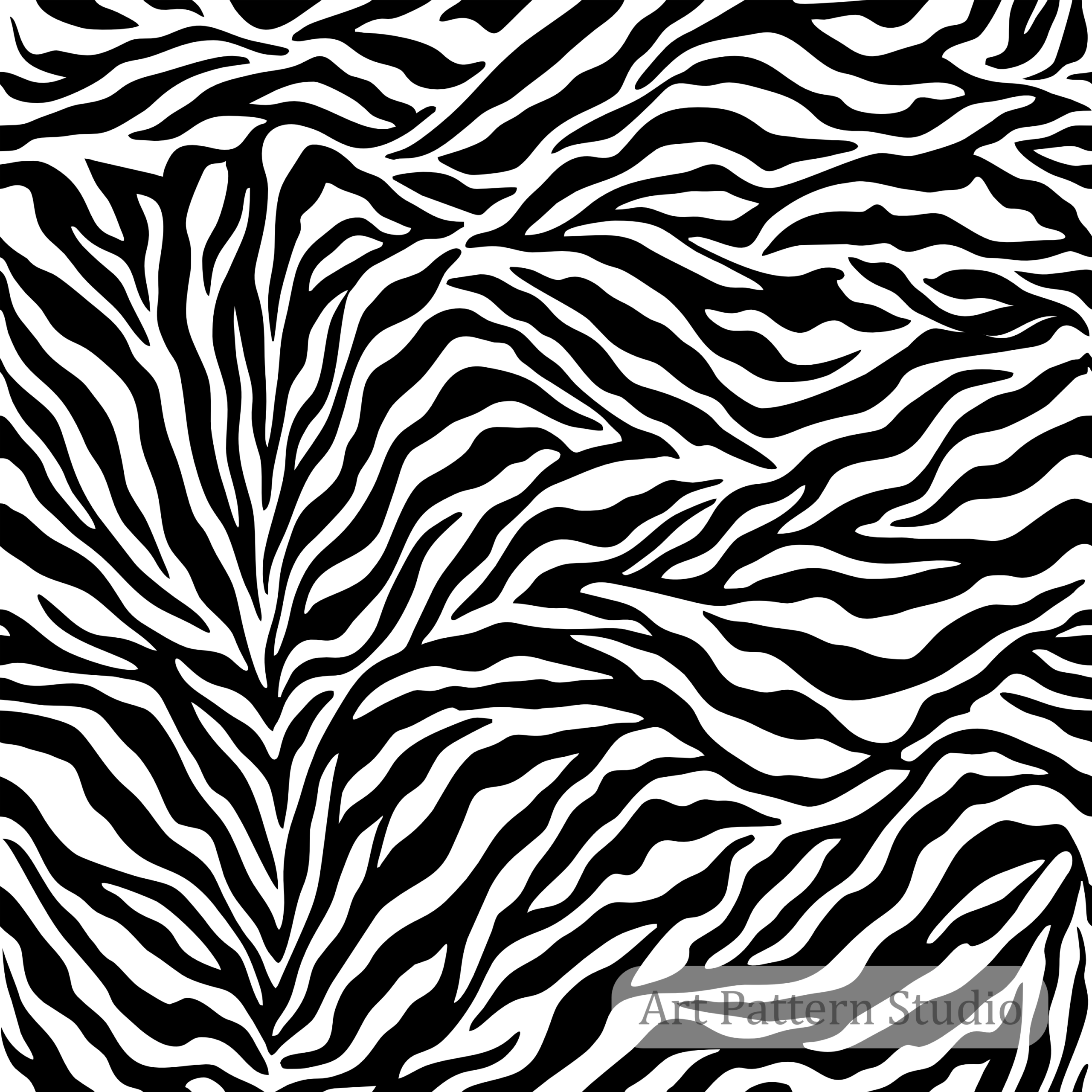
Color is often the first emotional signal. Blue and white can suggest heritage ceramics, coastal interiors or classic tilework. Black and white can feel graphic, modern and editorial. Terracotta, beige and ochre can connect with warmth, craft and natural interiors. A sophisticated color decision helps a pattern move from attractive artwork into commercial product design.
Rhythm controls how the eye travels across the surface. Repetition should feel balanced, not accidental. Motifs need enough character to be recognizable, but not so much complexity that they become difficult to reproduce. Strong ornamental pattern design often succeeds because it balances detail with clarity.
From Ceramic Tiles to Lifestyle Products
One of the commercial advantages of a strong pattern is that it does not need to stay in one category. A successful wallpaper and ceramic pattern direction can become part of a larger lifestyle world. The same visual idea can appear on tiles, wallpaper, textile accents, product packaging, stationery, accessories and decorative objects.
This is where surface pattern design becomes especially valuable for brands. Instead of designing every product in isolation, a company can build a collection with visual continuity. A ceramic tile can inspire a wallpaper. A wallpaper can inspire a printed box. A printed box can connect to a textile or home fragrance line. The pattern becomes a bridge between product categories.
For buyers looking for adaptable design assets, browse all Art Pattern Studio patterns. A professional pattern library can help creative teams source visual directions faster while maintaining quality and consistency across commercial collections.
Why Brands Should Use Professional Surface Patterns
The risk of using weak or generic artwork is not always obvious at the beginning of a project. A low-quality file may look acceptable on screen, but fail when scaled, repeated, printed or photographed. A pattern that has not been designed for commercial use can create problems in production, licensing, brand consistency and long-term collection planning.
Professional patterns are created with a different level of intention. They consider repeat quality, color balance, motif clarity, production flexibility and market positioning. For B2B buyers, the value is not only aesthetic. It is also practical: a professional pattern can reduce development time, support faster collection building and give the brand a clearer visual direction.
Licensing also matters. A commercial pattern license gives brands a clearer framework for how the artwork can be used. This is especially important for product lines intended for retail, wholesale, packaging, wallpaper, textiles or larger production runs. If you are comparing usage options, our article on Commercial vs Extended Pattern License explains how licensing decisions affect commercial projects.
How Art Pattern Studio Supports Ceramic and Home Decor Collections
Art Pattern Studio creates seamless patterns for fashion, interiors, wallpaper, packaging, stationery, ceramic surfaces and home decor brands. The focus is not on generic decoration, but on professional artwork that can support real product development. Each pattern is designed with repeat structure, visual rhythm and commercial versatility in mind.
For ceramic and home decor collections, this means patterns that can be used as decorative tile surfaces, packaging directions, wallpaper concepts, textile accents or broader lifestyle systems. A single high-quality pattern can become the visual starting point for an entire product story.
If your brand is planning a ceramic, wallpaper, textile or packaging collection, explore the Ceramic Patterns collection and the broader pattern collections. The right surface can help a product communicate value before a customer ever touches it.
Conclusion: Pattern Is Part of Product Strategy
A ceramic product does not become desirable through material alone. It becomes desirable when shape, surface, color, motif and brand positioning work together. The pattern is often the element that makes that connection visible.
For ceramic brands, tile manufacturers, product designers and home decor companies, investing in professional printed ceramic pattern design is a way to strengthen identity, increase perceived value and build collections with stronger commercial potential.
Explore Ready-to-License Patterns for Your Next Collection
Your ceramic product does not need another generic surface. It needs a pattern that helps it stand apart, communicate quality and become visually desirable. Explore Art Pattern Studio ceramic patterns, browse all seamless pattern designs, and review the licensing options to find a ready-to-license surface pattern for your next ceramic, wallpaper, textile, packaging or home decor project.

 No products in the cart.