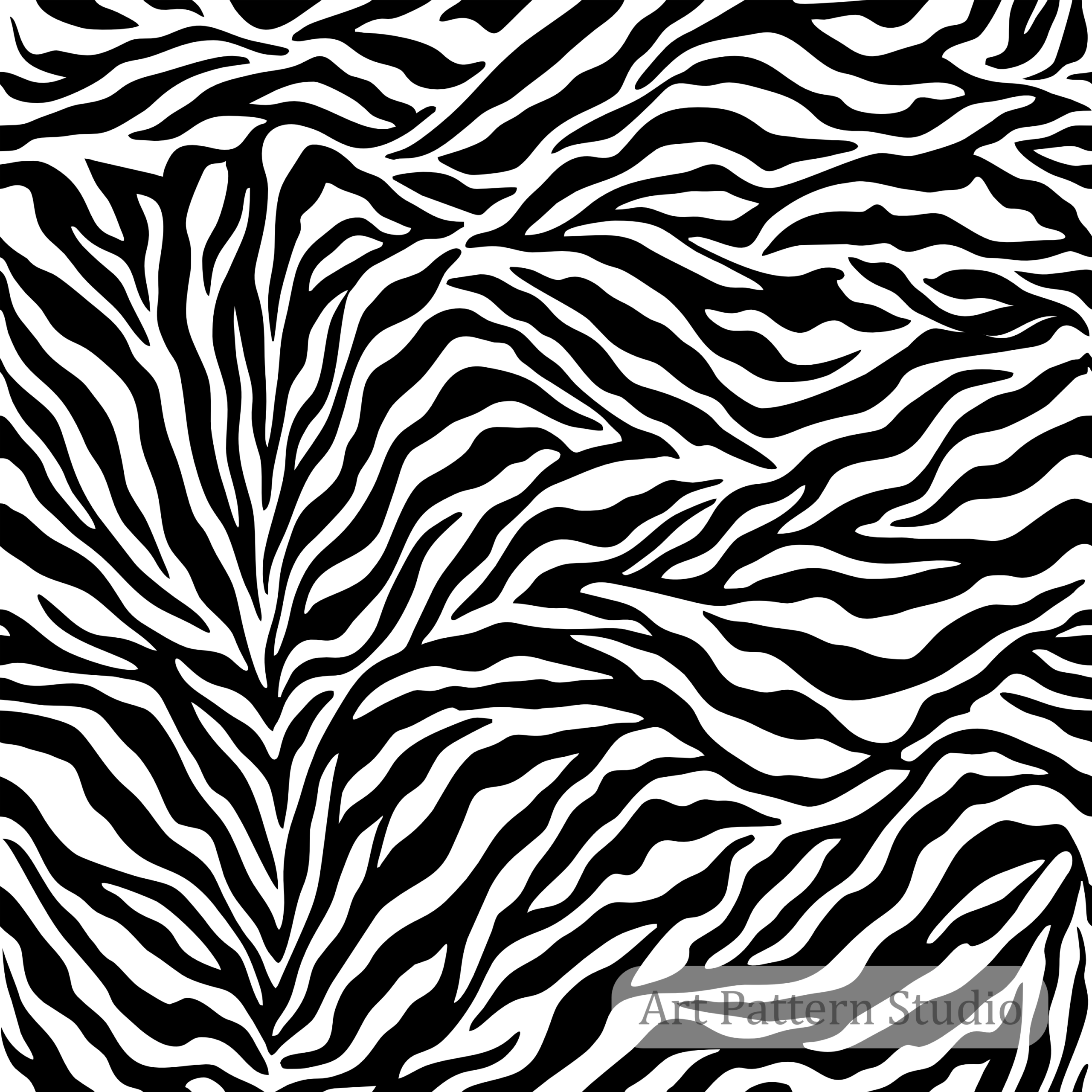
Animal print rarely disappears; it changes its manners. One season it arrives as a sharply tailored leopard coat, the next as a blurred zebra on velvet or an irregular cow marking that reads almost like abstraction. The Resort 2027 collections are already pushing the category toward tactile surfaces and less literal interpretations, while the strongest 2026 signals have made zebra, tiger and warm-toned leopard feel newly relevant.
For a textile buyer, that distinction matters. “Animal print” is too broad to be a useful brief. A monochrome wave stripe, a compact terracotta spot and an oversized cow marking create entirely different products, even before fabric, scale and finish enter the conversation.
The real sourcing question is not whether animal print is back. It is which version has enough character to lead a product and enough discipline to live across a collection.
Why Animal Print Remains Commercially Important
Animal markings have an advantage over many seasonal motifs: the eye understands them immediately. Their irregular rhythms feel familiar without behaving like strict geometry. Reduced to a tonal repeat, they can sit quietly on a lining or scarf. Enlarged across a coat or wall panel, the same family of marks becomes architectural.
That flexibility makes animal prints relevant to:
- dresses, skirts and statement outerwear;
- scarves, handbags and fashion accessories;
- swimwear and resort collections;
- upholstery, cushions and interior accents;
- packaging, stationery and branded lifestyle products.
Art Pattern Studio’s Animal Prints collection includes several distinct directions that brands can use as practical references when planning 2027 products.
1. Monochrome Zebra Becomes a Design Neutral
Zebra is one of the clearest pattern stories moving from 2026 into 2027. Its black-and-white structure gives it immediate impact, yet the absence of a fixed color palette makes it unusually adaptable. It can be styled with saturated brights, metallic finishes, warm neutrals or strict monochrome.
The Black & White Zebra Seamless Pattern offers the direct graphic rhythm buyers expect from zebra. It can support fashion applications ranging from fluid dresses to structured accessories.
For brands that want greater movement, the Black & White Wave Zebra Seamless Pattern introduces a more fluid interpretation. The irregular waves soften the visual effect while retaining the high-recognition quality of the motif.
Best commercial applications
- statement dresses and coordinated separates;
- handbag panels and small leather goods;
- monochrome wallpaper or upholstery accents;
- packaging that needs strong shelf visibility;
- capsule collections paired with solid black, ivory or red.
2. Leopard Shifts Toward Warm, Refined Color
Leopard remains commercially valuable because customers understand it instantly. The direction for premium collections is increasingly less about exaggerated yellow and more about terracotta, brown, beige and softened natural shades.
The Terracotta Leopard Seamless Pattern is especially relevant to this direction. Its warm palette can connect animal print with earthy color stories, autumn collections, resort accessories and interiors.
Leopard can also function as a supporting print rather than the visual center of a collection. A brand might use it on a scarf, lining, trim or packaging component while keeping the principal garment more restrained.
How to keep leopard contemporary
- Use a controlled palette with two or three dominant tones.
- Test the repeat at small and medium scales.
- Pair the print with clean silhouettes.
- Avoid combining too many competing novelty details.
- Use material and finish to create luxury rather than relying only on scale.
3. Cow Print Supports Western and Youth Markets
Western references and irregular organic markings continue to influence apparel, accessories and lifestyle products. Cow print fits this space while feeling more graphic and playful than classic leopard.
The Modern Cow Print Seamless Pattern can work in youth fashion, casual accessories, playful interiors and packaging. Its irregular shapes also connect naturally with broader abstract and organic design trends.
For buyers, cow print offers a useful bridge between animal print and minimalist graphics. In a limited palette, it can read almost like an abstract two-color pattern.
4. Abstract Animal Markings Create Brand Differentiation
Literal animal prints are easy to recognize, but abstract interpretations give brands more room to establish a distinctive visual identity. The Abstract Wave Zebra Seamless Pattern demonstrates how a familiar wildlife reference can become a more artistic surface.
Abstract animal patterns are well suited to:
- contemporary fashion labels;
- activewear and swimwear;
- premium stationery;
- modern wallpaper concepts;
- packaging systems that require several coordinated colorways.
The value lies in suggestion rather than imitation. The eye still reads speed, movement and wildness, but the finished product is not trapped inside a literal safari reference.
5. Tactile Materials Will Change How Prints Are Perceived
One of the more interesting Resort 2027 signals is not a new animal motif at all, but a change of surface. Flocked, brushed and fuzzy materials make familiar markings less graphic and more physical. Even without specialist fabrics, the lesson transfers: substrate is part of the pattern.
A black-and-white zebra repeat printed on matte cotton will feel different from the same artwork on velvet, satin, knit, coated canvas or textured wallpaper. Buyers should test:
- print sharpness;
- color absorption;
- scale at final production size;
- seam placement;
- how texture interrupts fine details.
Seamless artwork makes those trials practical. A design team can compare the same repeat on satin, cotton, coated canvas and wallpaper before deciding which version deserves production.
How to Choose an Animal Print for a 2027 Collection
Define the product role
Decide whether the print is the hero, a supporting coordinate or an accent. A hero print may justify greater scale and contrast. A coordinate should be easier to combine with solids and secondary patterns.
Match scale to the product
Large irregular markings can work beautifully on wallpaper, outerwear and bedding, while smaller repeats are often more practical for accessories, children’s products and detailed garment pieces.
Build a color system
The same seamless artwork can inspire several seasonal colorways. Monochrome, warm earth, muted pastel and saturated fashion color versions can extend one visual idea across a collection.
Select the correct license
Art Pattern Studio offers Personal, Commercial and Extended options. A brand producing items for sale should review the Pattern Licensing Guide before purchase. Production quantity, distribution and use by third parties can affect which license is appropriate.
Building a Coordinated Animal Print Capsule
A focused capsule does not need several competing wildlife motifs. One strong animal pattern can be combined with:
- a narrow stripe;
- a small polka dot;
- a tonal abstract coordinate;
- one or two solid colors;
- a simplified version of the hero motif.
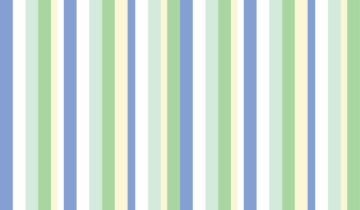
For example, a monochrome zebra could be paired with the Midnight Pinstripe Seamless Pattern and a minimal black-and-white dot. This creates variation while preserving a coherent visual language.
From Trend Reference to Production Artwork
The complete Animal Prints collection brings together direct zebra, fluid wave markings, terracotta leopard and modern cow print. Compare them at product scale rather than judging only the thumbnail; the strongest choice is the one that still holds its rhythm on the intended garment, accessory or surface.
Personal, Commercial and Extended rights are available. For high-volume manufacturing, exclusivity or a custom color direction, discuss the project through Art Pattern Studio’s contact page.
Source the Animal Print Direction Behind the Trend
Compare zebra, leopard, cow and abstract wildlife repeats at finished-product scale before selecting the appropriate commercial rights.
FAQ
Are animal prints expected to remain relevant in 2027?
Current Resort 2027 and 2026 fashion signals support continued interest in animal-inspired surfaces, particularly zebra, tiger, leopard and tactile interpretations. Forecasts should guide development rather than replace customer and market research.
Which animal print is easiest to use across a collection?
Monochrome zebra is highly adaptable because it coordinates with many colors. Leopard in a restrained warm palette is also commercially versatile.
Can animal print artwork be recolored?
Recoloring depends on the file format and license terms supplied with the product. Review the product description and included files before purchase.
What license does a fashion brand need?
A commercial fashion product generally requires a Commercial or Extended License depending on production volume and distribution. Consult the Licensing Guide for the current scope.
Are the patterns seamless?
The animal prints referenced in this guide are designed as seamless repeats, allowing continuous application across fabric, wallpaper and other surfaces.
Source Patterns for Your Next Collection
Continue from editorial research to practical sourcing with relevant Art Pattern Studio products, collection pages, and licensing guidance.
 No products in the cart.