Few prints move across decades, seasons and markets with the same quiet force as stripes. In a global fashion landscape where trends shift quickly, striped patterns continue to appear across runway collections, commercial apparel, resortwear, tailoring, knitwear, beachwear, accessories and lifestyle products. Their endurance is not accidental. Stripes are easy to recognize, flexible to reinterpret and commercially useful for brands that need a visual language with both familiarity and design authority.
For fashion designers, textile teams and product developers, timeless striped pattern design offers a rare balance: it can feel classic without looking dated, bold without becoming too niche, and simple without losing sophistication. This is why stripes remain relevant from Paris and Milan to New York and London, appearing season after season in different proportions, colors, materials and moods.
Why Striped Patterns Are Considered Timeless
Striped pattern design is timeless because it is built on one of the clearest visual systems in fashion: repetition. Lines create order, movement, direction and rhythm. They can make a garment feel sharper, longer, softer, more nautical, more graphic, more luxurious or more casual depending on how the pattern is handled.
Unlike many seasonal prints, timeless stripes do not rely on a single cultural moment. They have enough simplicity to be understood immediately and enough flexibility to be redesigned endlessly. A narrow pinstripe can support tailoring. A wide cabana stripe can suggest resortwear. A black and white stripe can feel graphic and modern. A hand-drawn textile stripe pattern can feel relaxed, artisanal or organic.
This makes stripes valuable for commercial fashion pattern development. They can work as a hero print, a coordinate, a lining, a packaging direction or a visual bridge between more expressive motifs. For brands building seasonal collections, stripes often help create coherence across apparel, accessories and lifestyle categories.
Stripes in Global Fashion Weeks
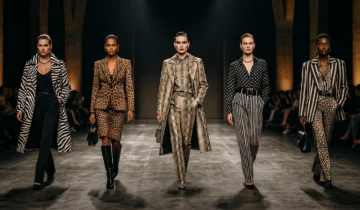
Fashion week stripes appear in many forms across the global calendar. Paris, Milan, New York and London frequently show how designers reinterpret classic stripe print language through scale, fabric, silhouette and styling. The point is not that every brand uses stripes in every season. The more accurate insight is that striped patterns remain a recurring and reliable presence because they can adapt to radically different fashion narratives.
On one runway, stripes may appear as crisp tailoring, minimal pinstripes or refined shirting. In another collection, they may become oversized graphic statements, colorful knitwear, nautical resort pieces, directional streetwear, beachwear sets or dramatic black and white looks. The same visual principle can serve luxury fashion, commercial womenswear, menswear, kidswear and lifestyle collections.
For creative directors and buyers, this recurring presence matters. Global fashion weeks help confirm which visual languages continue to feel relevant. Stripes keep returning because they are understandable to consumers, adaptable for designers and effective across product categories. For more classic print strategy, see how black and white patterns support timeless fashion collections.
From Classic Elegance to Modern Fashion Statements
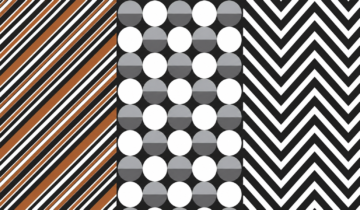
A stripe is never just a stripe. Its commercial meaning changes through proportion, spacing, color, direction and material. Vertical stripes can feel tailored or elongating. Horizontal stripes can feel nautical, relaxed or bold. Diagonal stripes can create movement and energy. Irregular stripes can introduce a more artistic surface pattern design language.
A classic stripe print in navy and white may support resortwear, beachwear, shirts, cushions or packaging with a familiar coastal feeling. The same striped seamless pattern in red, black and cream can feel more graphic, urban or editorial. Metallic stripes, soft tonal stripes and oversized statement lines can push the pattern toward luxury, eveningwear or contemporary interiors.
This flexibility is one reason brands continue to return to stripes. They are not limited to one market position. A fashion stripe pattern can be quiet and refined, loud and expressive, youthful and playful, or minimal and architectural. The design decision sits in the details: line weight, repeat balance, color rhythm and how the stripe interacts with the product shape.
Why Fashion Brands Keep Returning to Stripes
From a commercial point of view, stripes are a safe design language without being boring. They feel familiar to buyers, but they still give designers enough room to create a point of view. This is especially important for brands that need prints with broad appeal across different markets, body types, price points and product categories.
Stripes sell because they are easy to understand. A customer does not need to decode the print. The pattern communicates quickly: classic, nautical, tailored, sporty, graphic, relaxed or premium. That immediate recognition helps reduce risk for apparel brands and manufacturers. It also makes stripe print for fashion useful in both seasonal collections and evergreen product lines.
For B2B buyers, textile designers and product developers, a ready-to-license pattern can shorten the development process. Instead of starting every print from zero, brands can select professional seamless stripe artwork, test it across mockups, align it with materials and move faster toward sampling or production. Explore the broader Art Pattern Studio pattern catalog to see how ready-to-use designs can support collection development.
The Importance of a Professional Seamless Stripe Pattern
A professional seamless stripe pattern is not simply a set of lines placed next to each other. For production, the repeat must be precise. The edges need to connect cleanly. The spacing must remain consistent. The file needs enough quality for textile printing, wallpaper, packaging, digital products or large-format applications.
Small technical issues can become very visible with stripes. A misaligned repeat, uneven spacing or low-resolution file can create problems during fabric printing, garment construction or product scaling. This is why professional surface pattern design matters. A strong striped pattern design gives brands more control over the final result and helps protect the perceived value of the product.
When a stripe is properly built, it can scale across multiple items in the same collection. A fashion brand might use one seamless stripe pattern for shirts, another scale for scarves and a related direction for packaging. A home decor brand might adapt the same visual language to cushions, wallpaper and stationery. For practical guidance on choosing production-ready artwork, read how to choose seamless patterns for fashion collections.
Striped Patterns Across Product Categories
One of the strongest advantages of timeless striped pattern design is category flexibility. Stripes can move from fashion into interiors, packaging and lifestyle products without losing their identity. This makes them especially useful for brands that want visual consistency across multiple touchpoints.
- Apparel: shirts, dresses, tailoring, knitwear, swimwear, loungewear, kidswear and resortwear.
- Accessories: scarves, bags, hats, linings, footwear details and fashion trims.
- Textiles: fabric collections, home textiles, bedding, cushions, table linens and upholstery accents.
- Interiors: wallpaper, wall coverings, decorative panels and coordinated home decor patterns.
- Packaging: boxes, wrapping paper, stationery, labels, product sleeves and branded merchandise.
This cross-category value is important for commercial fashion pattern planning. A stripe can support a single product, but it can also become part of a brand system. When the repeat, color and scale are handled well, stripes help products look more intentional and more connected.
How Art Pattern Studio Supports Fashion Brands With Ready-to-License Patterns
Art Pattern Studio creates premium seamless patterns for fashion, textile, home decor, packaging and lifestyle product development. The studio focuses on patterns that are commercially useful, visually refined and prepared for brands, designers and manufacturers that need professional assets for real product collections.
For designers searching specifically for stripe artwork, the Striped Patterns collection offers ready-to-license options for fashion and surface design projects. For broader collection planning, browse pattern collections or review the licensing options to choose the correct usage level for personal, commercial or extended commercial projects.
Licensing matters because the right pattern must fit both the creative direction and the intended business use. A print used for personal design exploration has different needs from a pattern used across commercial apparel, packaging or manufactured products. If you are comparing usage levels, the guide to Commercial vs Extended Pattern License explains the difference in a practical way.
Conclusion: Stripes Are a Commercial Design Language
Stripes are one of fashion’s strongest visual tools because they combine tradition, clarity and commercial adaptability. They can be classic or modern, minimal or expressive, premium or casual. Their recurring presence across global fashion weeks reflects a deeper truth: striped pattern design continues to work because it gives designers structure while giving buyers familiarity.
For fashion brands, textile manufacturers, home decor companies and product teams, a professional striped seamless pattern can support faster development, stronger product presentation and more coherent collections. The quality of the file, the precision of the repeat and the balance of the design all influence the final product.
Explore Ready-to-License Striped Patterns
Stripes are not only a classic visual choice. They are a commercial design language that continues to appear across global fashion collections because they work. If your brand needs a timeless, professional and ready-to-license striped pattern, explore the Striped Patterns collection, browse all seamless patterns, and review the Art Pattern Studio Licensing Guide to choose the right license for your next fashion, textile, packaging or lifestyle product.
 No products in the cart.